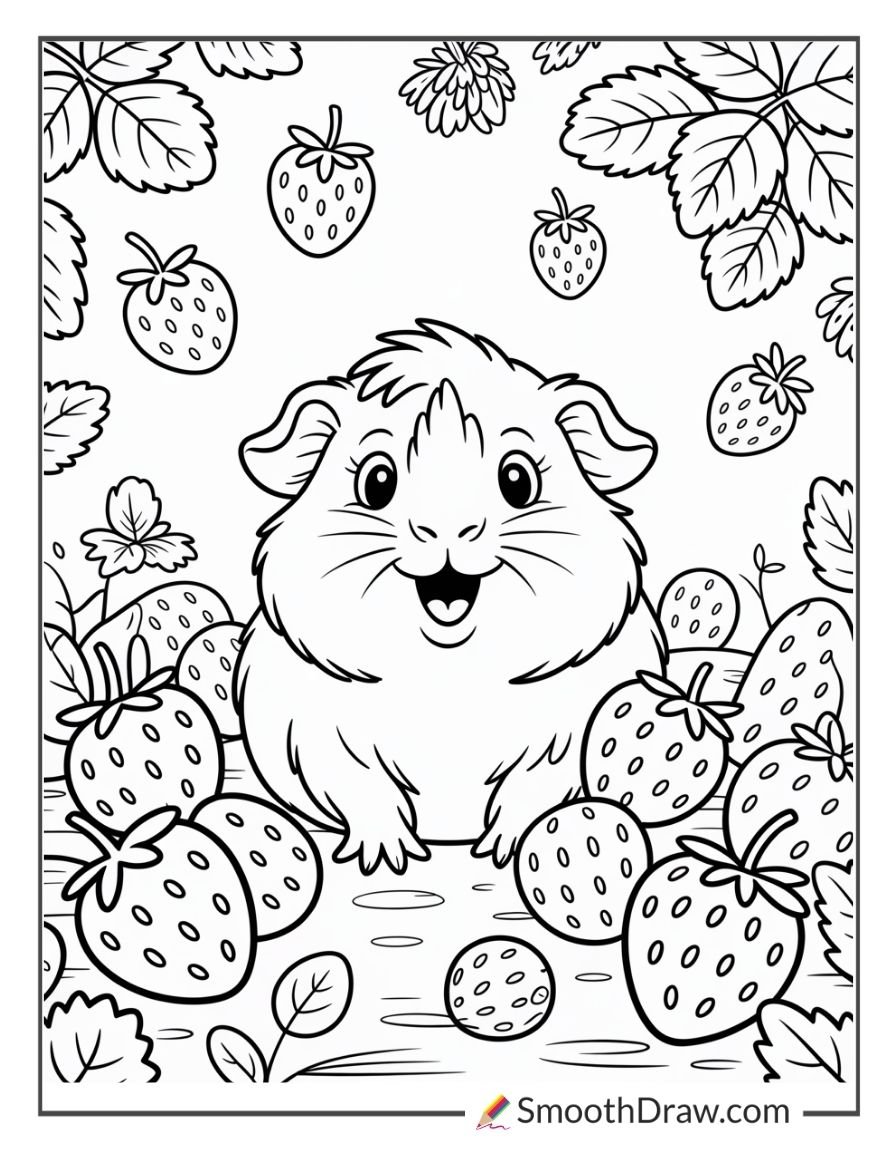
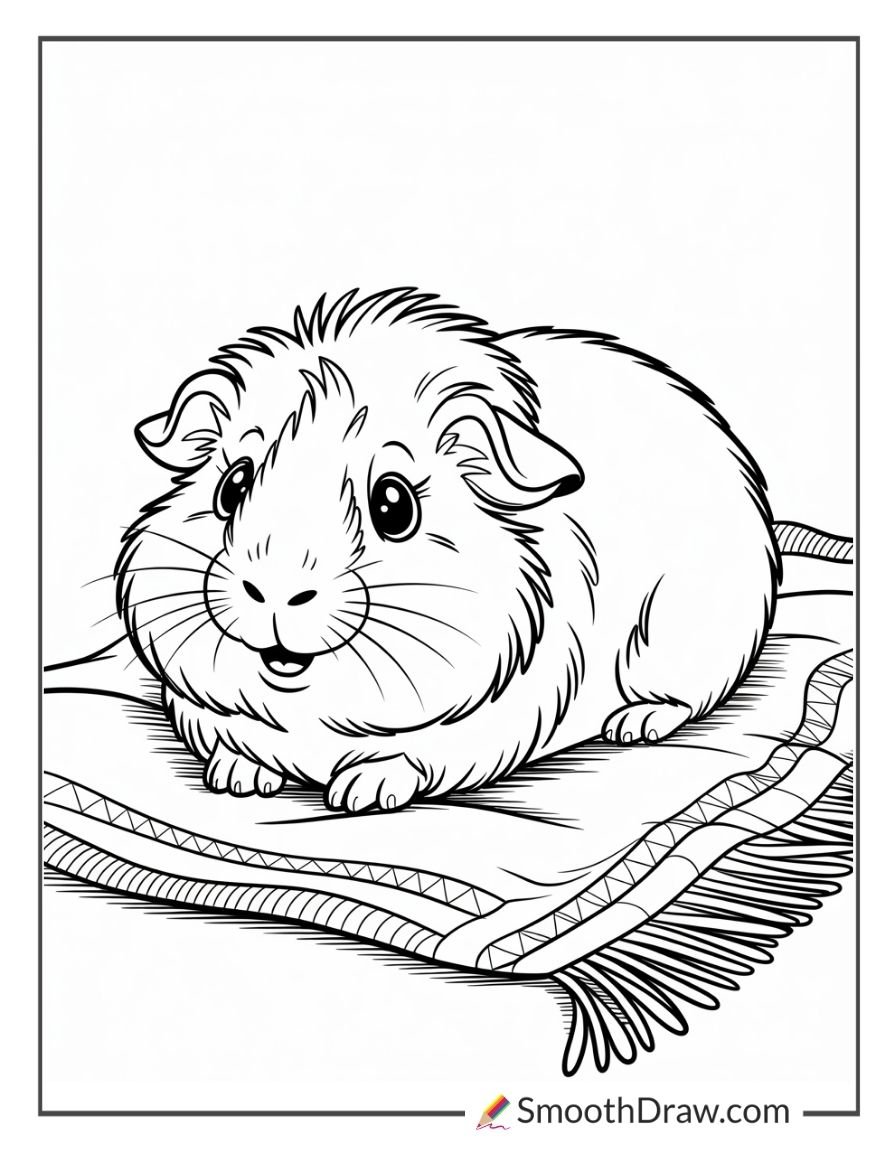
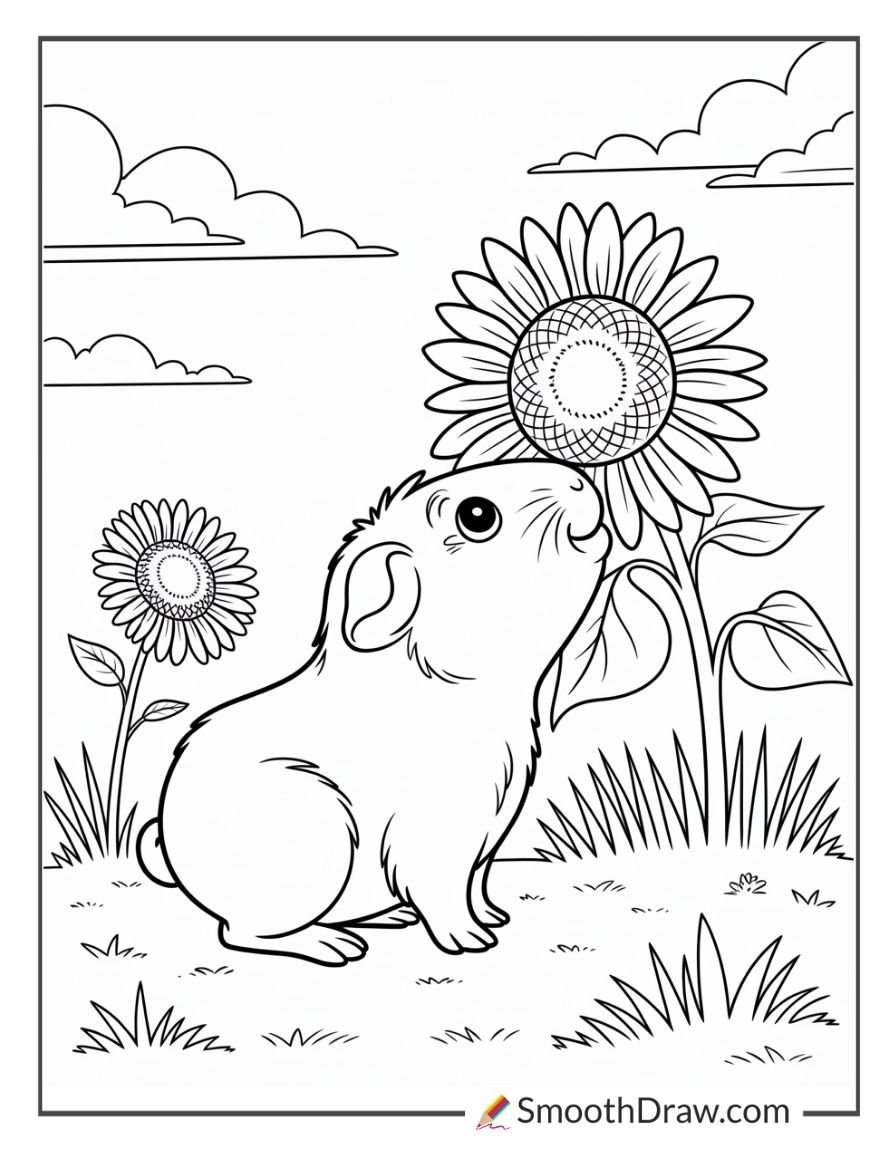
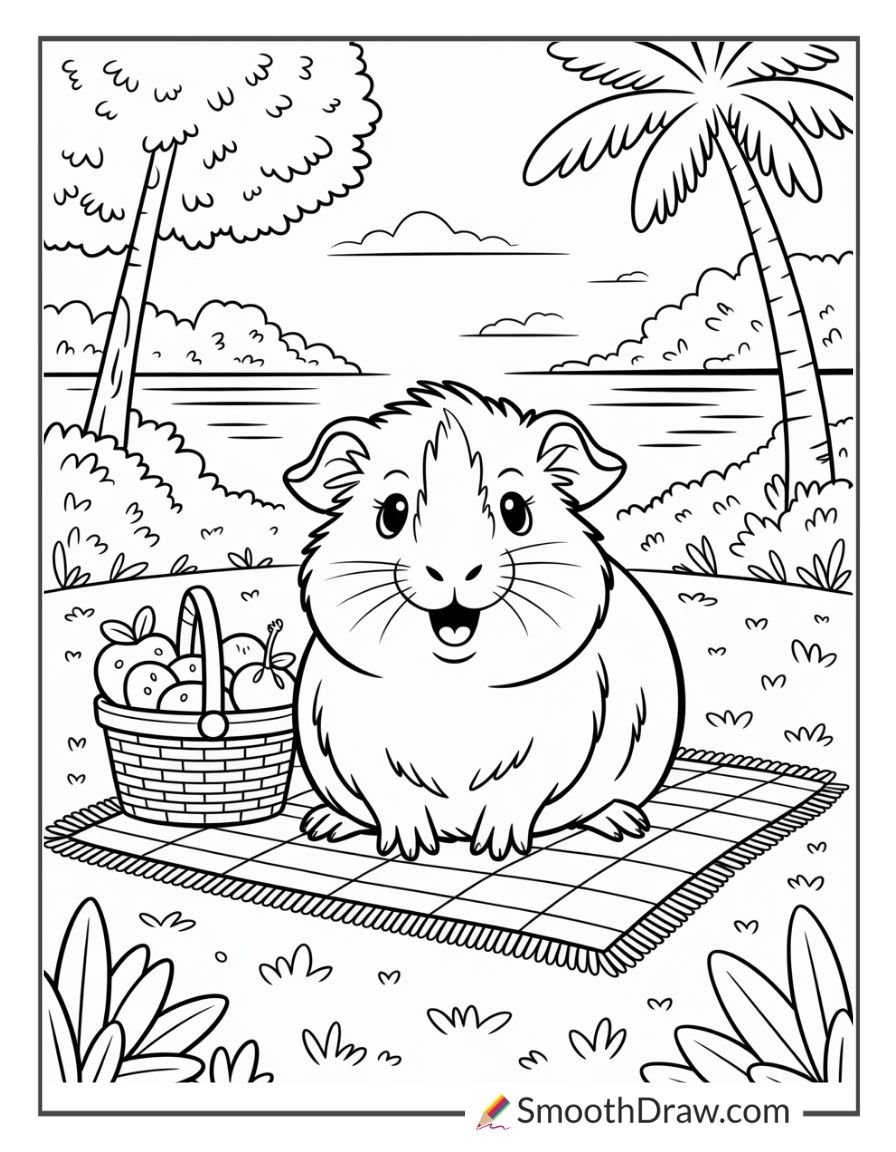
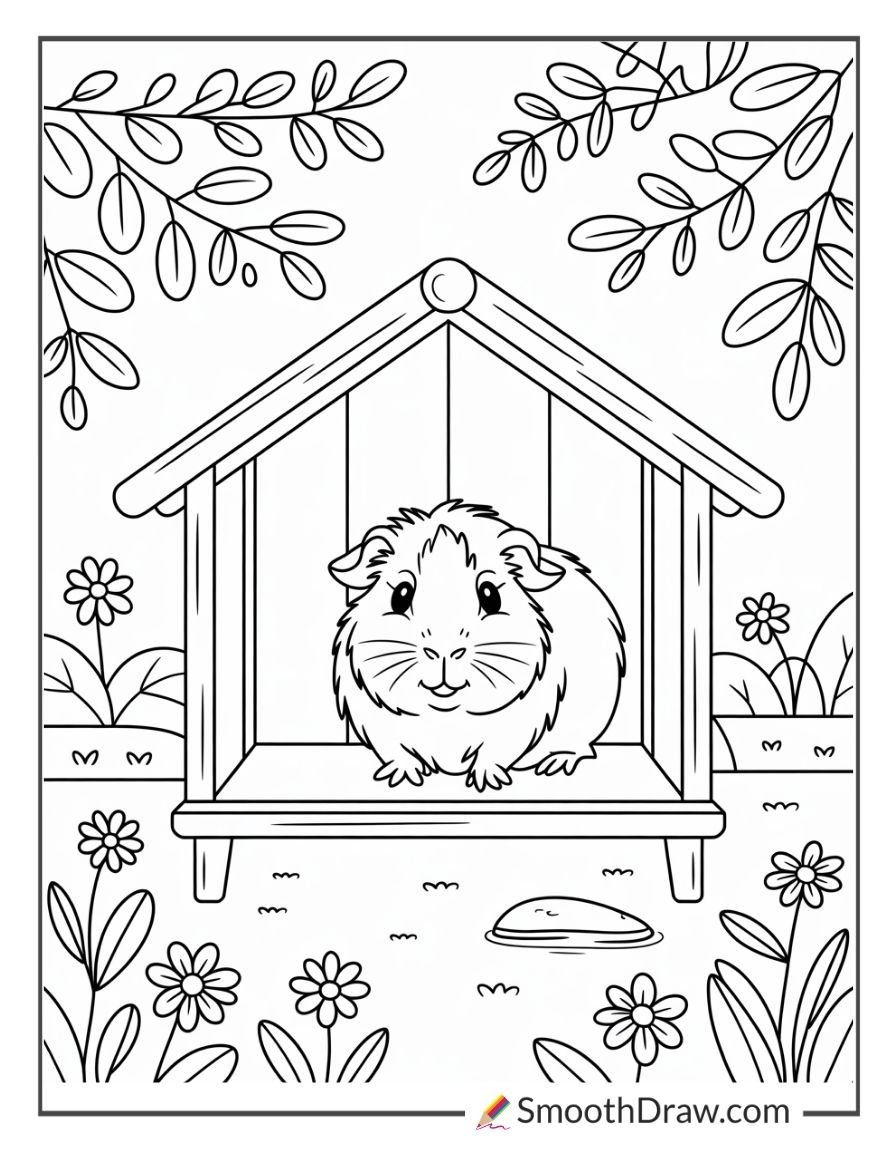
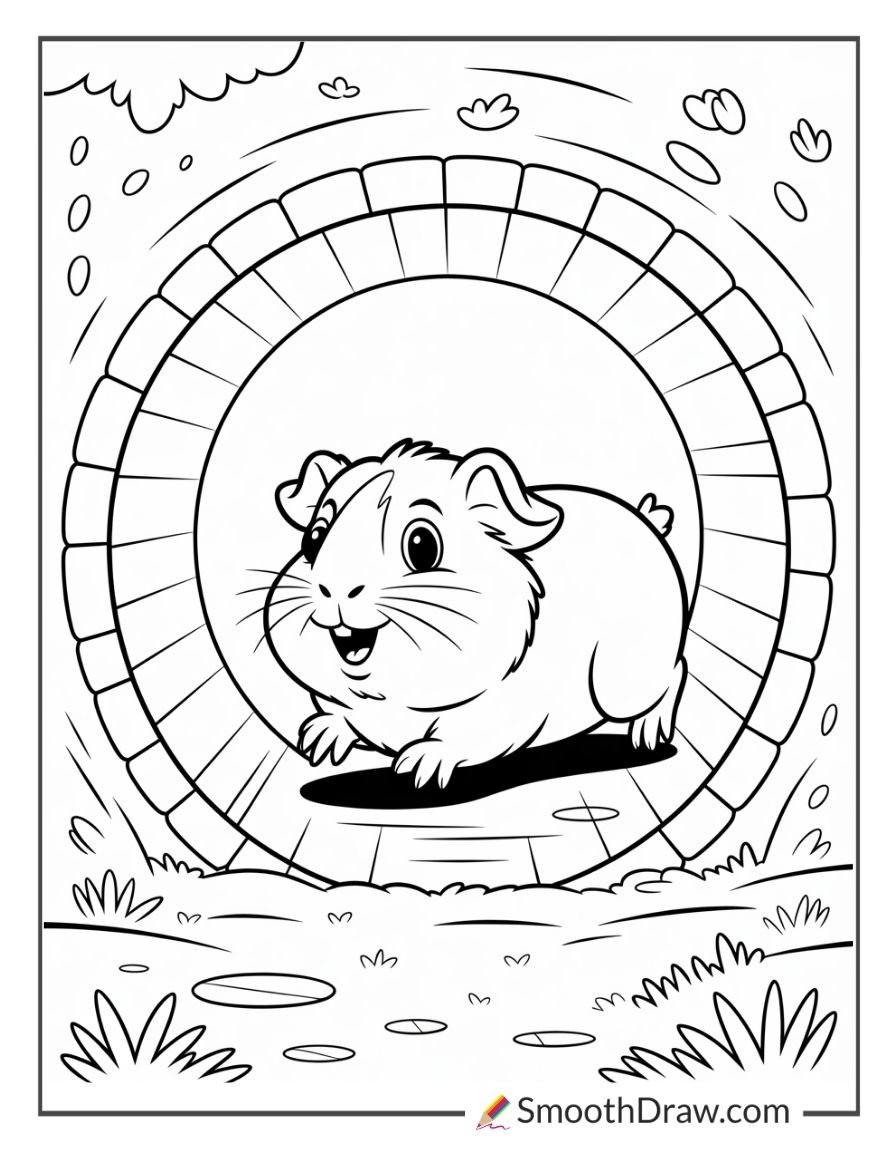
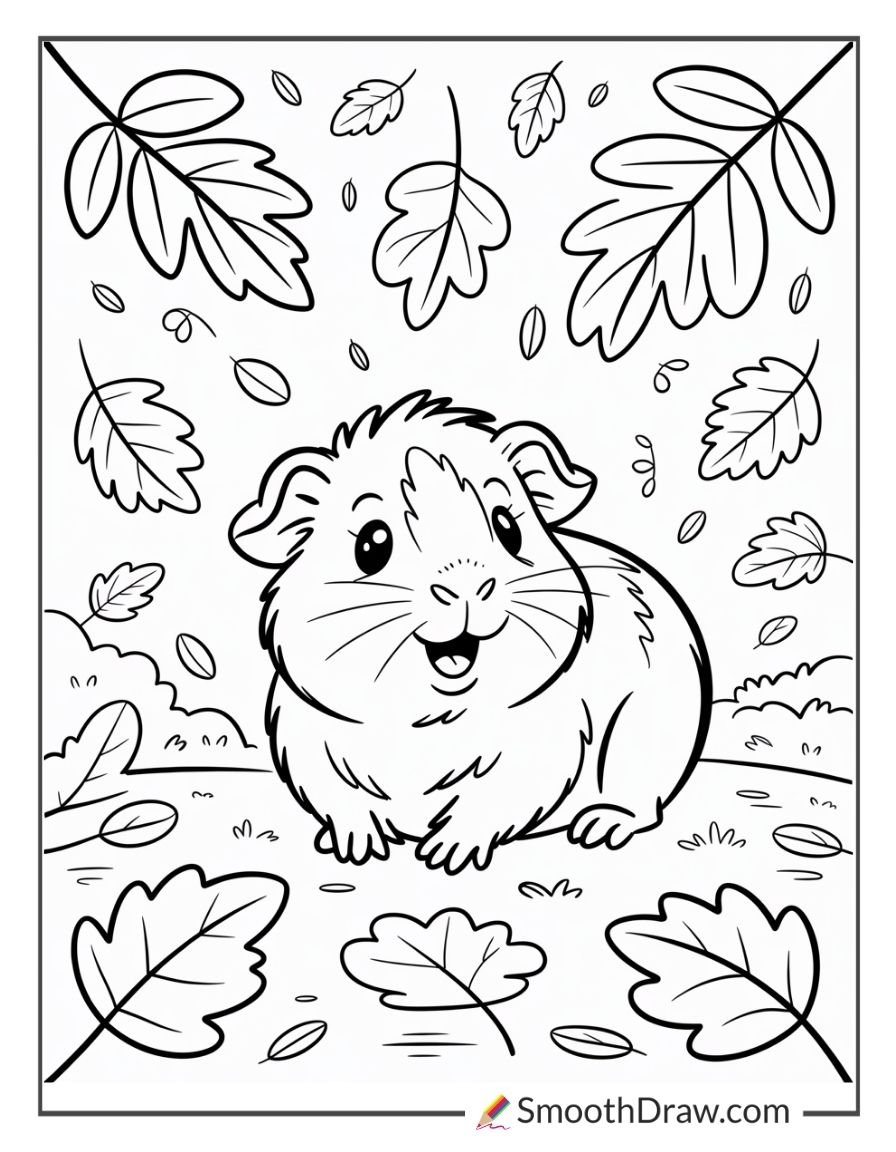
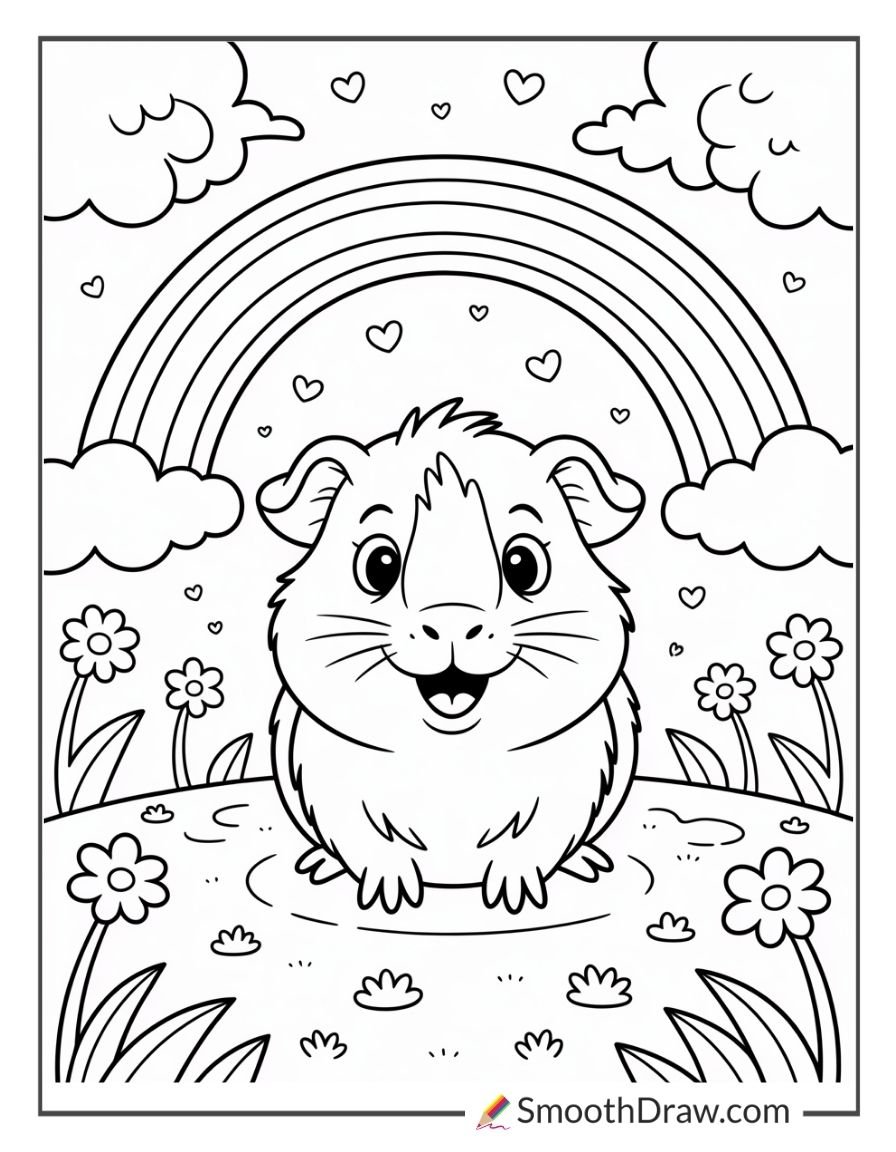
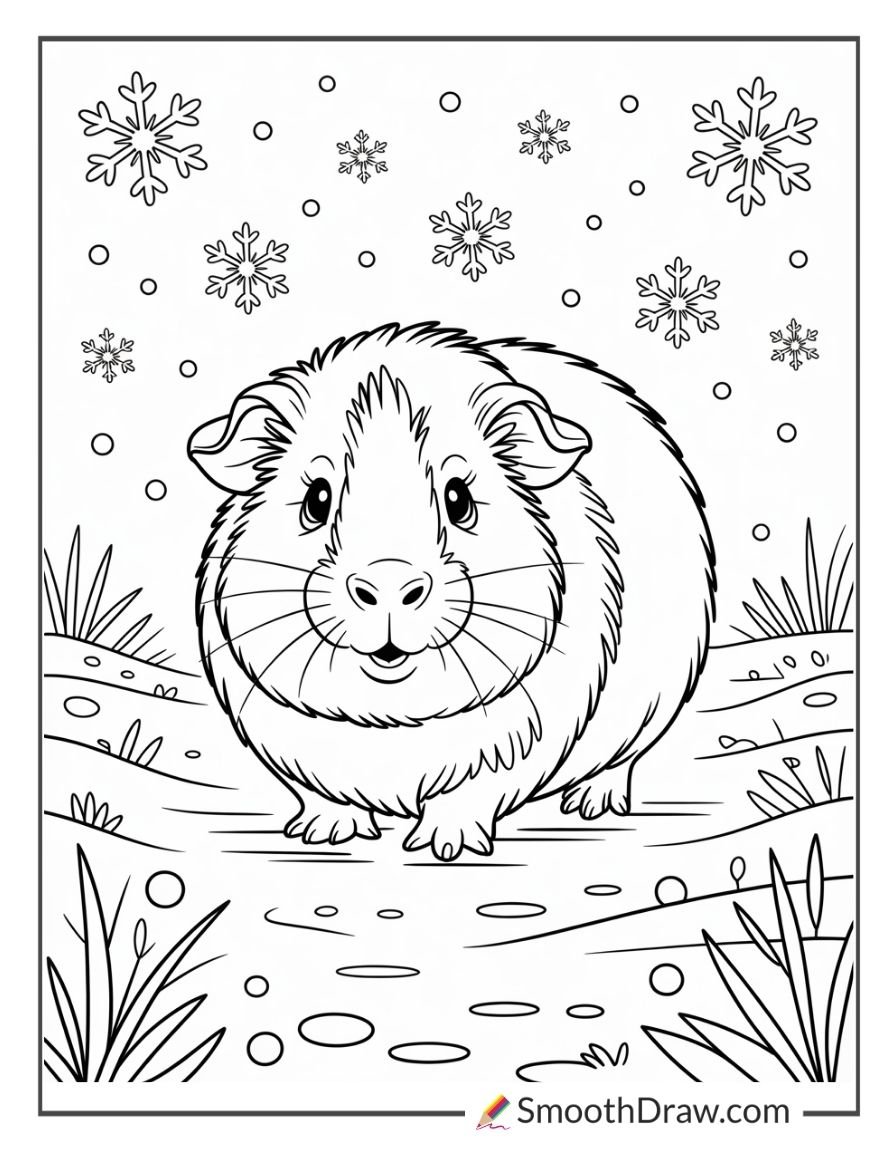
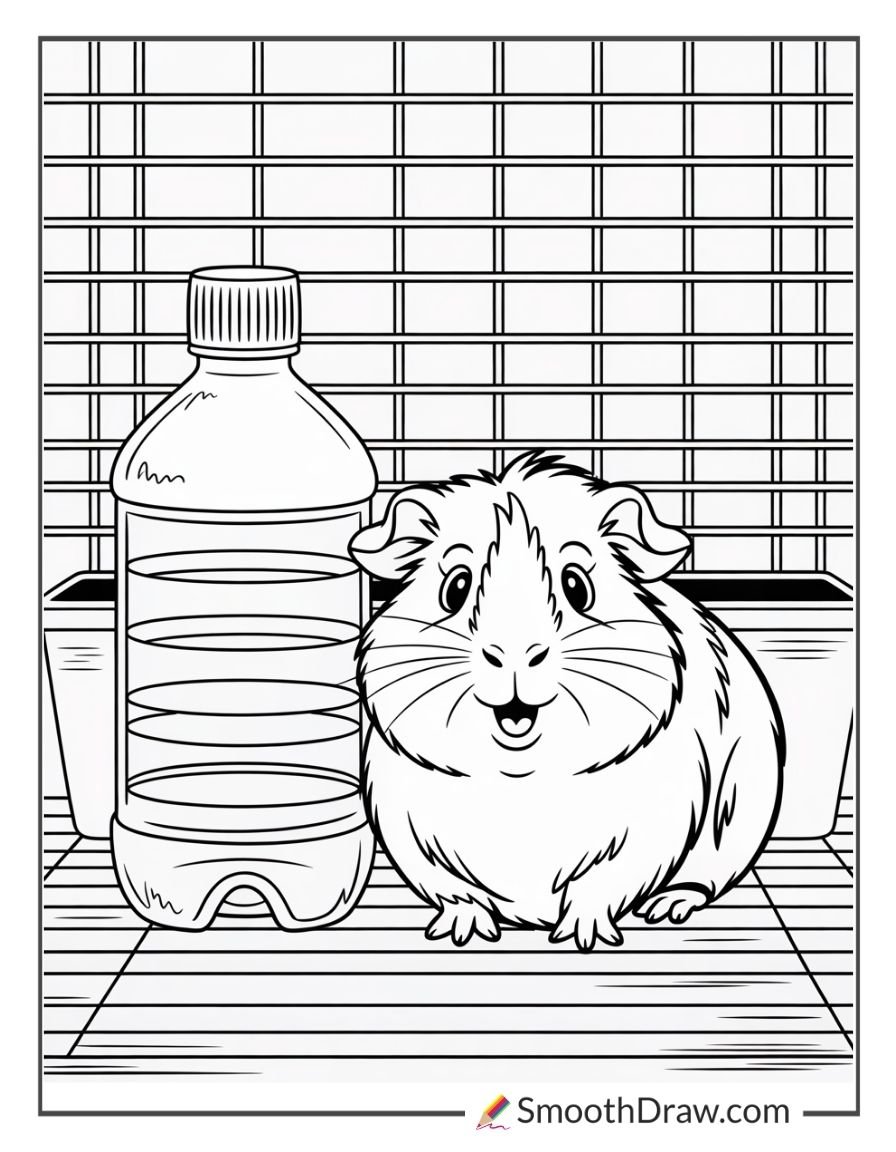
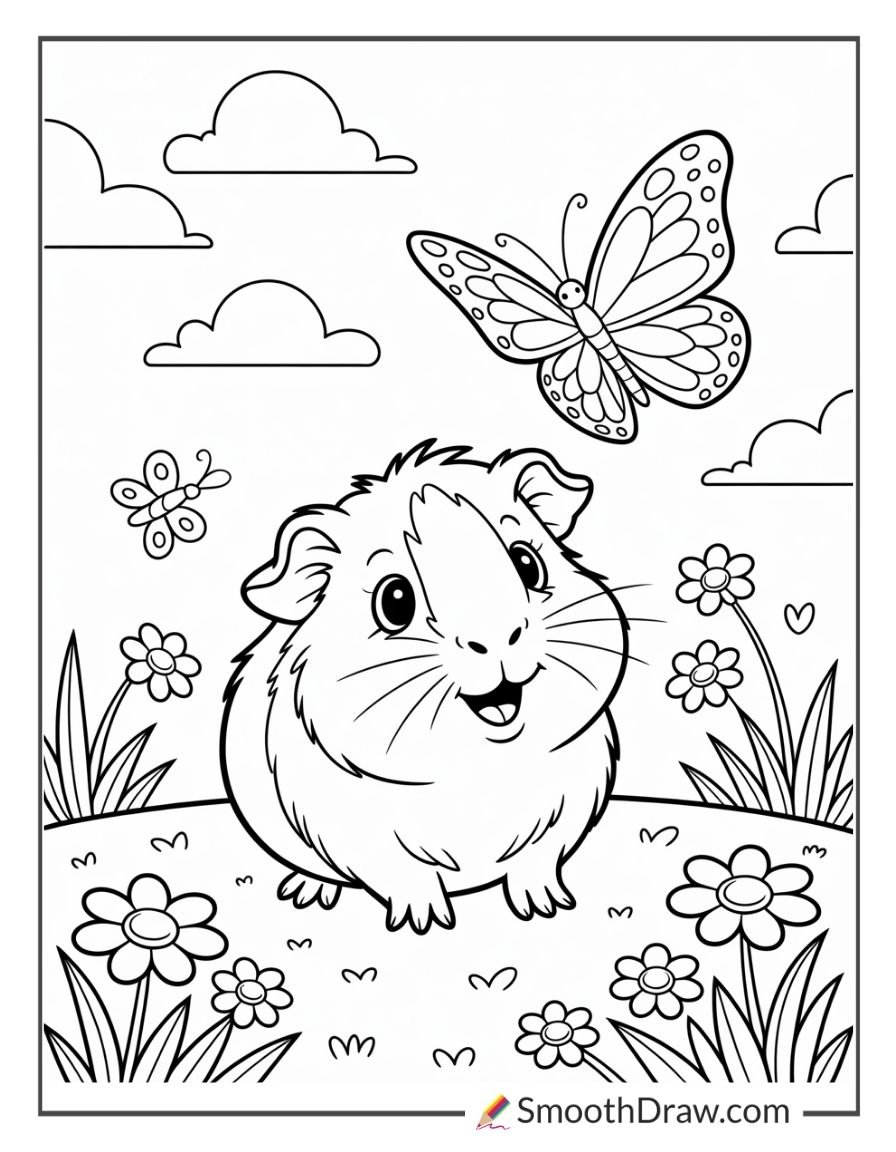
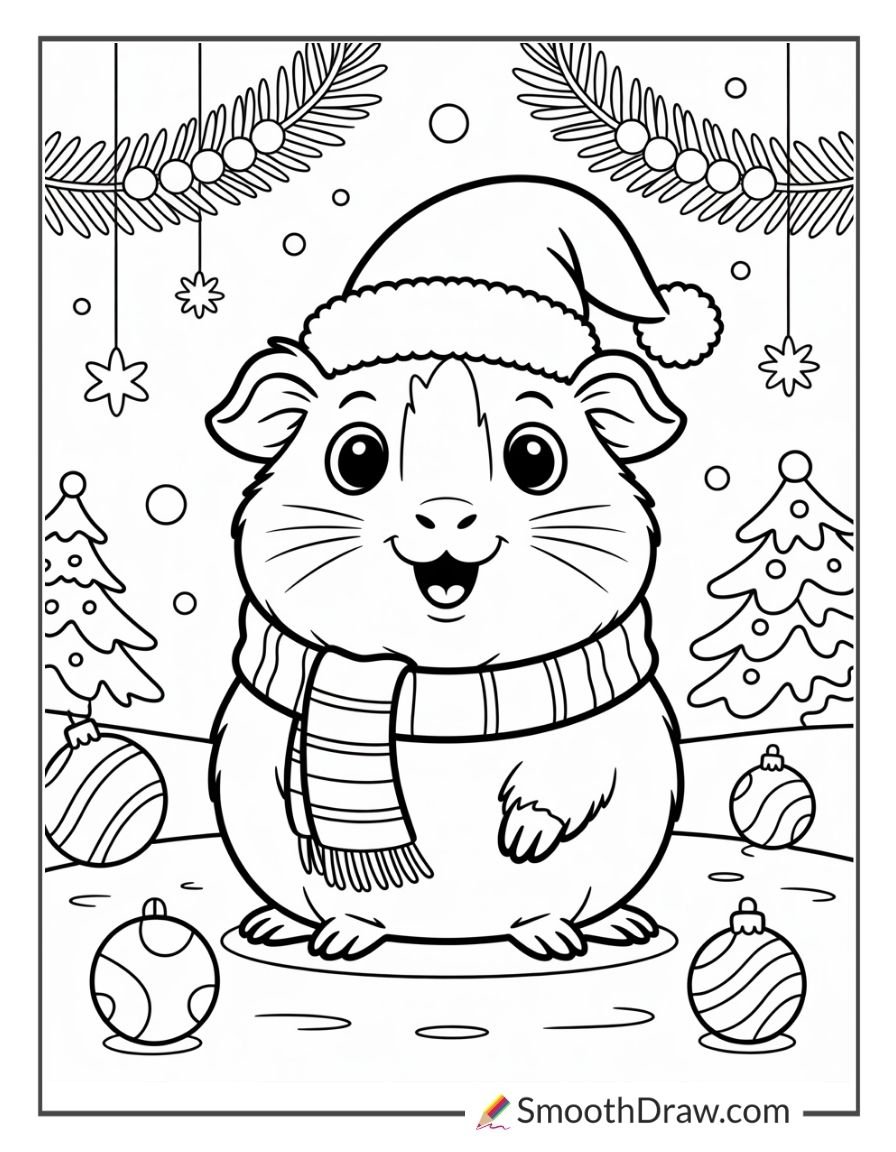
Guinea pigs are among the most lovable small pets in the world. With their round bodies, gentle personalities, adorable squeaks, and endless variety of colors and coat types, it’s easy to see why children and adults alike adore them. If your child enjoys animals, pets, or creative activities, guinea pig coloring pages provide a fun and engaging way to combine imagination with learning.
These charming little creatures inspire curiosity and creativity. Whether a child dreams of owning a guinea pig, already has one at home, or simply enjoys coloring cute animals, guinea pig coloring sheets offer countless opportunities for artistic expression. They can be colored realistically to match real guinea pigs or transformed into colorful fantasy pets using bright and imaginative shades.
For parents, teachers, and caregivers, guinea pig coloring pages are more than just entertainment. They can help children develop important skills while introducing them to fascinating facts about one of the world's most popular small pets. Keep reading to discover everything that makes guinea pigs special and learn how coloring activities can turn these furry friends into an exciting educational experience.

What Is a Guinea Pig?
A guinea pig is a small domesticated rodent that has been kept as a companion animal for centuries. Despite their name, guinea pigs are not pigs and they do not come from Guinea. They originally come from the Andes region of South America, where their ancestors were domesticated thousands of years ago.
Guinea pigs belong to the species *Cavia porcellus* and are known for their social and friendly nature. Unlike some small pets that prefer solitude, guinea pigs enjoy companionship and often thrive when living with other guinea pigs.
These adorable animals come in many different coat colors and fur types. Some have short, smooth fur, while others have long, flowing coats or curly hair. Their unique appearances make them especially fun subjects for coloring activities.
Children often recognize guinea pigs by their:
- Round, fluffy bodies
- Short legs
- Large, expressive eyes
- Tiny ears
- Cute whiskers
- Characteristic squeaking sounds
Because they are gentle and approachable, guinea pigs are often one of the first pets children learn about.
Why Children Love Guinea Pigs
There are many reasons why guinea pigs capture children's hearts.
They Look Adorable
Guinea pigs have soft features and friendly expressions that make them instantly appealing. Their small size and fluffy appearance often remind children of living stuffed animals.
They Have Unique Personalities
Every guinea pig has its own personality. Some are energetic and playful, while others are calm and cuddly. Children enjoy learning about their different behaviors and habits.
They Make Funny Sounds
Guinea pigs communicate through a variety of squeaks, chirps, and purring noises. Kids often find these sounds entertaining and fascinating.
They Come in Many Colors
Guinea pigs can be white, black, brown, golden, cream, gray, or a combination of several colors. This variety gives children endless inspiration when coloring.
They Encourage Compassion
Learning about guinea pigs helps children understand the importance of caring for animals. This can nurture empathy, responsibility, and respect for living creatures.
Benefits of Guinea Pig Coloring Pages
Coloring activities provide much more than simple entertainment. Guinea pig coloring pages support a variety of developmental skills that benefit growing children.
Creativity
Children can experiment with different color combinations, patterns, and artistic styles. While some may choose realistic colors, others may invent rainbow guinea pigs, magical guinea pigs, or themed designs.
Creative freedom encourages imagination and helps children build confidence in their artistic abilities.
Fine Motor Skills
Coloring requires children to control crayons, colored pencils, or markers carefully. This helps strengthen the small muscles in their hands and fingers.
Improved fine motor skills support important tasks such as:
- Writing
- Drawing
- Cutting with scissors
- Buttoning clothes
- Using classroom tools
Focus and Concentration
Completing a coloring page requires attention to detail and patience. Children learn to stay engaged with a task and work toward completing a goal.
These concentration skills can be valuable both at home and in educational settings.
Color Recognition
Guinea pig coloring pages provide opportunities to identify, compare, and use a wide range of colors.
Children can learn:
- Basic color names
- Color mixing concepts
- Light and dark shades
- Warm and cool colors
Learning Development
Coloring can spark discussions about animals, habitats, pet care, and nature. Children often become curious about guinea pigs after coloring them, leading to additional learning opportunities.
Artistic Expression
Art allows children to communicate ideas, emotions, and creativity in unique ways. Coloring pages provide a structured but flexible format that encourages self-expression.
Fun Facts About Guinea Pigs
Guinea pigs are full of surprises. Here are some fascinating facts children may enjoy while coloring.
Guinea Pigs Can Learn Their Names
Many guinea pigs learn to recognize familiar voices and may respond when their owners call them.
They Love Social Interaction
Guinea pigs are highly social animals. In the wild and as pets, they enjoy spending time with companions.
They Have Excellent Hearing
Their hearing is much more sensitive than that of humans, allowing them to detect sounds from far away.
Baby Guinea Pigs Are Remarkably Independent
Unlike many baby animals, newborn guinea pigs are born with fur, open eyes, and the ability to move around shortly after birth.
They Communicate Frequently
Guinea pigs use different sounds to express excitement, happiness, curiosity, and even hunger.
Some Breeds Have Extremely Long Fur
Certain guinea pig breeds can grow impressively long coats that require regular grooming.
They Are Herbivores
Guinea pigs eat plant-based foods such as hay, vegetables, and specially formulated pellets.
Guinea Pigs Have Been Popular Pets for Generations
Families around the world have enjoyed caring for guinea pigs for hundreds of years.
Best Color Ideas for Guinea Pig Coloring Pages
One of the most exciting parts of coloring guinea pigs is deciding which colors to use.
Realistic Guinea Pig Colors
For a natural look, children can use combinations such as:
- Brown and white
- Black and white
- Cream and tan
- Gray and white
- Golden brown
- Solid black
- Solid white
Rainbow Guinea Pig
Encourage imagination by coloring different sections of the fur in rainbow colors:
- Red
- Orange
- Yellow
- Green
- Blue
- Purple
Fantasy Guinea Pig
Children can create magical versions using:
- Pink fur
- Turquoise ears
- Purple paws
- Glitter accents
- Star patterns
Seasonal Themes
Coloring pages can match different times of the year.
Spring
- Pastel pink
- Light yellow
- Lavender
- Soft green
Summer
- Bright blue
- Sunny yellow
- Orange
- Vibrant green
Autumn
- Rust red
- Gold
- Brown
- Orange
Winter
- Silver
- White
- Ice blue
- Pale gray
Nature-Inspired Designs
Children can add backgrounds featuring:
- Flower gardens
- Meadows
- Forest scenes
- Vegetable patches
- Cozy pet habitats
Educational Activities Related to Guinea Pigs
Coloring pages can be combined with other educational activities for an even richer learning experience.
Guinea Pig Research Project
Ask children to learn basic facts about guinea pigs and create a simple poster featuring:
- Diet
- Habitat
- Behavior
- Appearance
Pet Care Discussion
Talk about what animals need to stay healthy, including:
- Food
- Water
- Shelter
- Exercise
- Companionship
Story Writing Activity
Encourage children to write a short story about the guinea pig they colored.
Questions to inspire ideas include:
- What is the guinea pig's name?
- Where does it live?
- What adventures does it have?
- Who are its friends?
Counting and Math Practice
Use guinea pig images for simple math activities such as:
- Counting guinea pigs
- Adding groups together
- Comparing sizes
- Sorting by color
Vocabulary Building
Introduce words related to guinea pigs, including:
- Fur
- Whiskers
- Habitat
- Herbivore
- Companion
- Rodent
Habitat Design Challenge
Invite children to draw and color an ideal guinea pig habitat complete with:
- Food bowls
- Hideouts
- Bedding
- Toys
- Exercise areas
Animal Comparison Activity
Compare guinea pigs with other small animals such as:
- Rabbits
- Hamsters
- Mice
- Gerbils
This helps children understand similarities and differences among animals.
Frequently Asked Questions (FAQ)
1. What colors are real guinea pigs?
Real guinea pigs can be white, black, brown, cream, gray, golden, or combinations of several colors and patterns.
2. Are guinea pig coloring pages suitable for preschoolers?
Yes. Many guinea pig coloring pages feature simple outlines that are perfect for younger children developing their coloring skills.
3. Can guinea pig coloring pages be educational?
Absolutely. They can help children learn about animals, pet care, colors, creativity, and fine motor development.
4. Why do children enjoy coloring animals?
Animals are naturally interesting to children. Coloring them combines creativity with curiosity about nature and wildlife.
5. What art supplies work best for coloring guinea pig pages?
Crayons, colored pencils, markers, and gel pens are all excellent choices depending on the child's age and artistic preferences.
6. Can children color guinea pigs with unrealistic colors?
Yes. Creative coloring encourages imagination, and children often enjoy designing fantasy guinea pigs using bright and unusual colors.
7. What makes guinea pigs different from hamsters?
Guinea pigs are generally larger, more social, and known for their distinctive vocal sounds. They also have different care requirements.
8. How can teachers use guinea pig coloring pages in the classroom?
Teachers can combine coloring activities with lessons about animals, habitats, responsibility, science, vocabulary, and creative writing.
9. Are guinea pigs good subjects for beginner artists?
Yes. Their simple shapes, rounded bodies, and varied color patterns make them excellent subjects for young artists.
10. Can coloring pages encourage interest in animals?
Definitely. Many children become more curious about wildlife and pet care after engaging in animal-themed coloring activities.
Conclusion
Guinea pig coloring pages offer the perfect combination of creativity, fun, and learning. These lovable pets capture children's imaginations with their adorable appearance, friendly personalities, and fascinating variety of colors and coat types. Whether kids choose realistic shades or invent colorful fantasy guinea pigs, every coloring session becomes an opportunity for artistic expression.
Beyond entertainment, guinea pig coloring activities support important developmental skills such as fine motor control, focus, color recognition, and creativity. They also provide valuable opportunities to explore animal science, responsible pet care, and imaginative storytelling.
For parents, teachers, and caregivers looking for engaging activities that inspire both learning and creativity, guinea pig coloring pages are a wonderful choice. Each page invites children to discover the charm of these gentle animals while creating colorful works of art they can proudly share and display.


